Gasping in the Dark: The Physiological Chain Reaction That Links Untreated Sleep Apnea to Erectile Dysfunction
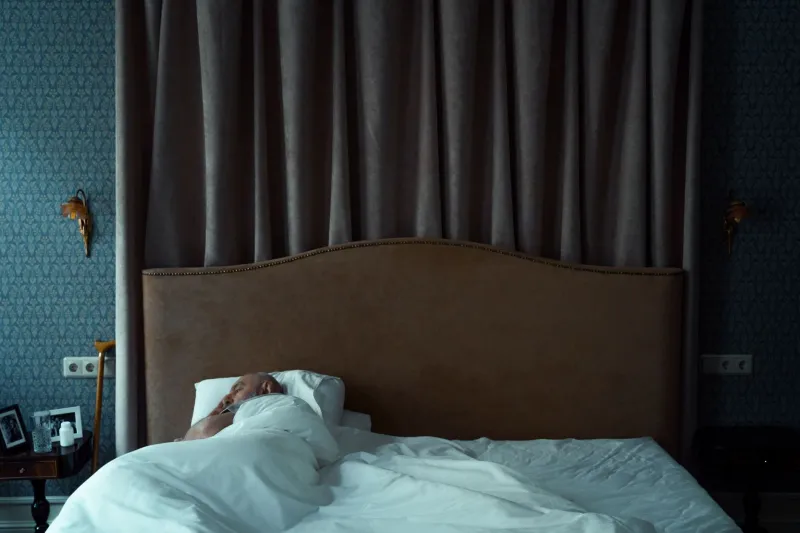
Every night, an estimated 30 million American men stop breathing—sometimes hundreds of times—without ever fully waking up. Most of them have no idea it is happening. Sleep apnea, in its obstructive form, is one of the most underdiagnosed conditions in the United States, and its consequences extend far beyond daytime fatigue. Among its least-discussed effects is a profound and measurable impact on erectile function.
For men who have tried ED medications with limited success, or who find that treatment works inconsistently, undiagnosed sleep apnea may be the missing variable. The physiological relationship between the two conditions is not incidental—it is direct, well-documented, and increasingly difficult for clinicians to ignore.
What Sleep Apnea Actually Does to the Body Overnight
Obstructive sleep apnea (OSA) occurs when the soft tissue at the back of the throat collapses repeatedly during sleep, partially or completely blocking the airway. Each episode causes blood oxygen levels to drop—sometimes significantly—before the brain triggers a partial arousal to restore breathing. This cycle can repeat dozens or even hundreds of times per night.
From the outside, this may look like snoring, restless sleep, or frequent trips to the bathroom. From the inside, the body is experiencing something far more disruptive: a recurring physiological emergency that stresses the cardiovascular system, destabilizes hormones, and interferes with the precise biochemical conditions required for healthy erectile function.
The Oxygen Problem: Why Hypoxia Attacks Erectile Tissue
Erections depend on blood flow, and blood flow depends on healthy, responsive blood vessels. Nitric oxide—a molecule produced by the endothelial cells lining those vessels—is the primary chemical signal that causes smooth muscle in penile tissue to relax and allow blood to fill the corpus cavernosum. Without adequate nitric oxide, the vascular machinery of an erection simply does not engage properly.
This is where sleep apnea becomes particularly destructive. Each apneic episode triggers a drop in blood oxygen saturation, a condition known as intermittent hypoxia. Research has demonstrated that this repeated oxygen deprivation impairs endothelial function and suppresses nitric oxide synthase—the enzyme responsible for producing nitric oxide. Over time, the endothelial cells that line penile blood vessels lose their ability to generate the nitric oxide signal reliably, even during waking hours.
In practical terms, this means that a man with untreated sleep apnea may have structurally compromised vascular tissue in the penis, regardless of his age, weight, or overall cardiovascular health. The damage accumulates silently, night after night.
The Hormone Crash That Happens While You Sleep
Testosterone production follows a well-established circadian rhythm. The majority of a man's daily testosterone release occurs during sleep—specifically during the deep, restorative stages known as slow-wave and REM sleep. Sleep apnea systematically fragments these stages, pulling the body out of deep sleep dozens of times per night and replacing restorative rest with shallow, disrupted cycles.
The result is a measurable reduction in nocturnal testosterone synthesis. Multiple studies have confirmed that men with moderate to severe OSA show significantly lower morning testosterone levels compared to men without the condition. Since testosterone is essential not only for libido but also for maintaining the vascular and neurological infrastructure of erectile function, this nocturnal hormone crash compounds the damage already being done by intermittent hypoxia.
What makes this particularly insidious is that the testosterone deficit caused by sleep apnea can mimic the presentation of primary hypogonadism. Men may be prescribed testosterone replacement therapy when the actual underlying driver is a sleep disorder that was never properly evaluated.
Sympathetic Overdrive: When the Nervous System Works Against You
The autonomic nervous system governs both sleep and sexual response. Erections are fundamentally a parasympathetic event—they require the body to be in a state of relative calm, with the sympathetic "fight or flight" system dialed down. Sleep apnea does the opposite.
Each apneic episode activates the sympathetic nervous system as the brain scrambles to restore breathing. Over the course of a night, this results in chronically elevated sympathetic tone, increased cortisol output, and persistently high levels of circulating catecholamines like norepinephrine. These stress hormones cause vasoconstriction—the narrowing of blood vessels—which is directly opposed to the vasodilation required for an erection.
Men with untreated OSA are, in effect, spending their nights in a low-grade physiological stress state. That state does not fully resolve when they wake up. The nervous system dysregulation that sleep apnea produces can persist throughout the day, making the body less capable of achieving the parasympathetic calm that sexual arousal and erectile function require.
The Research Is Unambiguous—Yet the Diagnosis Is Often Missed
Studies examining the overlap between OSA and ED consistently find prevalence rates that should alarm clinicians. Research published in peer-reviewed journals has found that men with obstructive sleep apnea are significantly more likely to have erectile dysfunction than matched controls—with some studies reporting ED rates exceeding 60 to 70 percent in OSA populations.
Perhaps more compelling is what happens when the sleep disorder is treated. Multiple clinical studies have examined erectile function outcomes in men who began CPAP (continuous positive airway pressure) therapy—the gold-standard treatment for OSA. The findings are striking: a meaningful proportion of men experience significant improvement in erectile function following consistent CPAP use, with some achieving outcomes comparable to those seen with PDE5 inhibitor medications. In cases where ED was primarily driven by the sleep disorder, treating the apnea alone was sufficient to restore function.
Despite this evidence, the two conditions are rarely evaluated together in a standard clinical encounter. A man who presents to his primary care physician with erectile dysfunction may receive a prescription for a PDE5 inhibitor without any inquiry into his sleep quality, snoring history, or daytime fatigue. The apnea goes undetected. The medication may help partially, but the root cause continues its nightly damage.
Recognizing the Profile: Who Should Ask About Sleep Apnea
Any man with erectile dysfunction who also experiences the following symptoms should raise sleep apnea as a possibility with his physician:
- Loud or chronic snoring reported by a partner
- Waking unrefreshed despite adequate sleep duration
- Excessive daytime sleepiness or difficulty concentrating
- Frequent nighttime urination (nocturia)
- Morning headaches
- Observed pauses in breathing during sleep
Risk factors for OSA include obesity, a neck circumference greater than 17 inches, anatomical features such as a recessed jaw or enlarged tonsils, and a family history of the condition. However, it is worth noting that sleep apnea affects men across a wide range of body types, and lean men are not exempt.
Diagnosis typically involves either an in-lab polysomnography study or a home sleep apnea test, both of which are widely available through sleep medicine specialists and increasingly accessible via telehealth platforms.
What Treatment Can Realistically Accomplish
For men whose ED is substantially driven by sleep apnea, CPAP therapy represents a genuine opportunity to address the condition at its source rather than managing symptoms downstream. Consistent CPAP use restores oxygenation during sleep, reduces sympathetic nervous system activation, and allows the hormonal rhythms of deep sleep to normalize—all of which support improved erectile function.
This does not mean that every man with both conditions will resolve his ED through CPAP alone. In many cases, sleep apnea coexists with other contributing factors—cardiovascular disease, metabolic dysfunction, psychological stress—and a comprehensive treatment strategy that includes appropriate medication remains relevant. But beginning that strategy without addressing the sleep disorder is likely to produce incomplete results.
For American men navigating ED treatment, the lesson is straightforward: if you snore, if you wake exhausted, if your partner has ever mentioned that you stop breathing at night, that information belongs in the conversation with your doctor. The condition undermining your sexual health may not be in your bloodstream or your psychology. It may be in your airway—and it may be treatable without a single pill.