The Mouth-to-Bedroom Connection: How Gum Disease Is Quietly Undermining Erectile Health in American Men
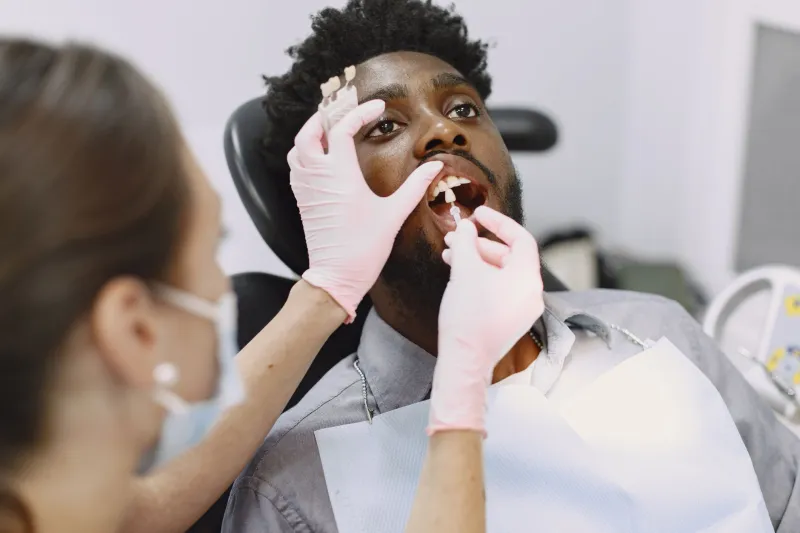
When American men think about erectile dysfunction risk factors, the usual suspects come to mind: cardiovascular disease, diabetes, obesity, and chronic stress. Dental health rarely makes that list. Yet a growing body of clinical evidence suggests that what is happening beneath the gumline may be just as relevant to sexual performance as what is happening inside the arteries of the heart.
Periodontal disease — a chronic bacterial infection of the tissues surrounding and supporting the teeth — affects nearly half of American adults over the age of thirty, according to data from the Centers for Disease Control and Prevention. Among men over sixty-five, that figure climbs above seventy percent. For a condition so prevalent, it receives remarkably little attention in conversations about men's sexual health. That oversight may carry real consequences.
What Periodontal Disease Actually Does to the Body
Most people understand gum disease as a dental problem: bleeding gums, bad breath, eventual tooth loss. What is less commonly understood is that periodontal disease is fundamentally a systemic inflammatory condition. The bacteria responsible — particularly species such as Porphyromonas gingivalis and Treponema denticola — do not remain confined to the mouth. They enter the bloodstream through inflamed gum tissue, triggering an immune response that extends far beyond the oral cavity.
This bacterial translocation initiates what researchers describe as an inflammatory cascade. The immune system releases pro-inflammatory cytokines — chemical messengers including interleukin-6, tumor necrosis factor-alpha, and C-reactive protein — in response to the persistent bacterial presence. Under normal circumstances, this response is protective. When the infection is chronic and untreated, however, these inflammatory signals remain chronically elevated, creating conditions that are hostile to healthy vascular function throughout the body.
The Endothelial Connection: Where Blood Vessels Enter the Picture
The critical link between oral inflammation and erectile dysfunction runs through the endothelium — the thin cellular lining of every blood vessel in the human body. Endothelial cells regulate vascular tone, control blood flow, and produce nitric oxide, a molecule that is absolutely essential to achieving and maintaining an erection.
Nitric oxide causes the smooth muscle within penile blood vessels to relax, allowing blood to rush into the erectile chambers. Without adequate nitric oxide production, this process stalls. The result is insufficient engorgement, difficulty achieving firmness, or the inability to sustain an erection long enough for satisfactory sexual activity.
Chronic systemic inflammation — the kind generated by untreated periodontal disease — directly impairs endothelial function. Pro-inflammatory cytokines reduce the enzyme responsible for nitric oxide synthesis, promote oxidative stress within vessel walls, and accelerate the development of atherosclerotic plaques. In short, the same inflammatory environment that damages coronary arteries also compromises the microvasculature of the penis.
Several peer-reviewed studies have now documented this association with clinical data. A notable meta-analysis published in the Journal of Sexual Medicine examined multiple studies involving thousands of participants and found that men with periodontal disease had a significantly elevated likelihood of also experiencing erectile dysfunction compared to men with healthy gums. The relationship held even after researchers controlled for shared risk factors such as smoking, diabetes, and cardiovascular disease — suggesting that gum disease contributes independently to ED risk.
Why American Men Are Particularly Vulnerable
The United States presents a specific public health context that makes this connection especially relevant. American men are statistically less likely than women to attend routine dental appointments, more likely to delay care when symptoms arise, and more likely to underestimate the systemic consequences of oral disease. Cultural attitudes that frame dental health as cosmetic rather than medical contribute to this pattern.
At the same time, the dietary patterns common in the American food environment — high in refined carbohydrates and added sugars — create conditions that favor the growth of periodontal pathogens. Chronic stress, which is itself an independent contributor to both gum disease and erectile dysfunction, further compounds the problem by suppressing immune responses that would otherwise contain oral bacterial populations.
The result is a population in which untreated periodontal disease is common, its systemic consequences are poorly understood, and the downstream effects on sexual health go largely unrecognized.
Recognizing the Warning Signs
Men who experience any of the following symptoms should consult a dentist promptly, particularly if they are also managing erectile difficulties:
- Gums that bleed during or after brushing
- Persistent halitosis that does not resolve with brushing and flossing
- Gum recession or teeth that appear longer than they once did
- Loose teeth or changes in bite alignment
- Swollen, tender, or discolored gum tissue
- Pus between the teeth and gums
None of these symptoms should be dismissed as minor inconveniences. Each represents a potential indicator of active bacterial infection that may be generating systemic inflammation at this moment.
What the Research Suggests About Treatment
Encouragingly, the relationship between periodontal disease and vascular health appears to be bidirectional in a clinically useful sense — meaning that treating gum disease may produce measurable improvements in endothelial function. Studies examining men who received professional periodontal treatment, including scaling and root planing procedures, have documented subsequent improvements in flow-mediated dilation, a standard measure of blood vessel responsiveness. Some research has also noted self-reported improvements in erectile function following periodontal care, though larger controlled trials are still needed to establish the magnitude of this effect with greater certainty.
This does not mean that treating gum disease will replace ED medications or other established interventions. What it does suggest is that comprehensive management of erectile dysfunction may benefit from expanding its scope to include oral health as a modifiable contributing factor — one that has historically been absent from the standard clinical conversation.
Integrating Dental Health Into an ED Prevention Strategy
For men who are either managing erectile dysfunction or seeking to reduce their long-term risk, the following practical steps represent a reasonable and evidence-informed approach:
Schedule a periodontal evaluation. A dentist or periodontist can assess the depth of gum pockets, identify active infection, and recommend appropriate treatment. Many American men have not had a comprehensive periodontal examination in years.
Establish consistent oral hygiene habits. Brushing twice daily with a soft-bristled brush, flossing once daily, and using an antibacterial mouth rinse can meaningfully reduce the bacterial load responsible for periodontal inflammation.
Address systemic risk factors simultaneously. Smoking is one of the most significant accelerants of periodontal disease. Blood sugar dysregulation also worsens gum disease, creating a feedback loop with diabetes that affects both oral and sexual health. Managing these factors concurrently produces compounding benefits.
Discuss oral health with your primary care provider. Physicians who manage ED rarely ask about dental history. Raising the subject yourself ensures that this dimension of vascular health is not overlooked in your overall care plan.
A More Complete Picture of Male Sexual Health
The science connecting periodontal disease to erectile dysfunction is still maturing, but its direction is consistent and its mechanisms are well-grounded in vascular biology. For American men navigating the complex landscape of sexual health, this emerging evidence adds an important dimension to a conversation that has long focused almost exclusively on cardiovascular fitness, hormonal balance, and metabolic health.
The mouth is not separate from the body. What festers beneath the gumline does not stay there. And for men who want to protect their sexual health with the same seriousness they bring to protecting their hearts, adding a dental appointment to the annual health calendar may prove to be one of the most underrated decisions they ever make.